Building an Effective Home Gym on a Budget
Creating a home gym can be a practical and cost-effective alternative to a commercial fitness center. Many people are interested in setting up a workout space at home but are concerned about the expense and the amount of space required. With careful planning and a focus on essential items, it is possible to build a functional home gym without a large financial outlay. This article explores key considerations for selecting equipment, organizing space, and maintaining a budget-friendly approach.
Before making any purchases, it is helpful to assess your fitness goals and available space. Different activities require different types of equipment, and understanding your priorities can prevent unnecessary spending. Additionally, thinking about how you will store and use the equipment can help you avoid clutter and ensure that your home gym remains a welcoming space. The following sections provide guidance on choosing equipment, utilizing space efficiently, and finding affordable options.
It is important to note that the information presented here is for general educational purposes. Individual results may vary, and what works for one person may not be suitable for another. Always consider your own circumstances and consult with a qualified professional if you have specific health concerns or need personalized advice.
Assessing Your Needs and Space
The first step in building a home gym is to evaluate your fitness objectives and the area you can dedicate to exercise. Consider the types of activities you enjoy and are likely to perform regularly. For example, if you prefer strength training, you may need different equipment than someone who focuses on cardio or flexibility. Taking stock of your current fitness level and any physical limitations can also guide your choices. Once you have a clear idea of your goals, measure the available space in your home. This could be a corner of a room, a garage, or a basement. Knowing the dimensions will help you select equipment that fits comfortably and allows for safe movement.
Another factor to consider is the flooring and ventilation of your chosen space. A sturdy, non-slip surface is important for safety, especially during dynamic movements. If the area lacks natural light or airflow, you may want to address these issues to create a more pleasant environment. Additionally, think about noise levels and whether your workouts might disturb others in the household. By planning ahead, you can create a space that supports your routine without causing inconvenience.
Essential Equipment for a Budget Home Gym
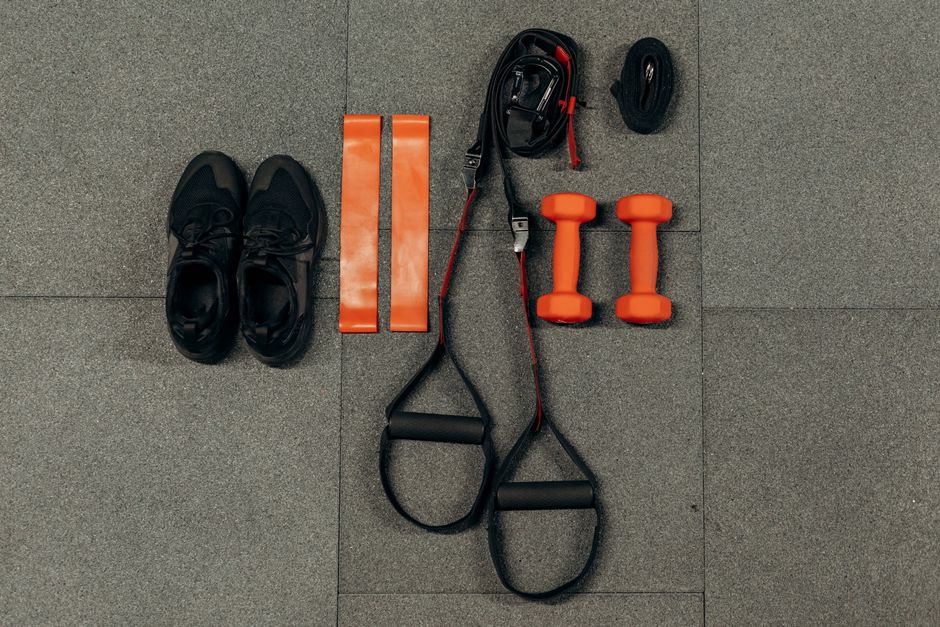
When equipping your home gym, focus on versatile items that can serve multiple purposes. This approach not only saves money but also reduces the amount of space needed. Some foundational pieces of equipment are widely used and can be adapted to various exercises. For instance, a set of resistance bands is lightweight, portable, and can provide resistance for both upper and lower body workouts. Similarly, a pair of adjustable dumbbells can replace an entire rack of fixed-weight dumbbells, allowing you to progress as you get stronger. A stability ball can be used for core work, balance training, and even as a substitute for a bench in some exercises.
Other inexpensive essentials include a jump rope, which offers a great cardio workout with minimal space requirements, and a mat for floor exercises and stretching. If you are interested in strength training, a doorway pull-up bar can be an affordable alternative to a large power rack. For those who enjoy yoga or Pilates, a mat and a few blocks or straps may be sufficient. It is also worth considering a foam roller for recovery and mobility work. By prioritizing items that are multifunctional and durable, you can build a well-rounded home gym without overspending.
- Resistance bands: versatile and portable for strength and mobility.
- Adjustable dumbbells: save space and money compared to fixed sets.
- Stability ball: useful for core and balance exercises.
- Jump rope: effective cardio tool with minimal footprint.
- Exercise mat: provides comfort and support for floor work.
- Doorway pull-up bar: enables upper body strength training.
- Foam roller: aids in muscle recovery and flexibility.
“The best home gym is one that you will use consistently, so choose equipment that aligns with your preferences and lifestyle.”
Space-Saving Solutions and Organization
Even with a limited area, clever storage and layout can make your home gym functional and tidy. One effective strategy is to use vertical space. Wall-mounted racks or hooks can hold resistance bands, jump ropes, and even mats, keeping them off the floor and easily accessible. If you have adjustable dumbbells, a small stand or a dedicated spot on a shelf can keep them organized. Folding equipment, such as a foldable treadmill or a collapsible bench, can be stored away when not in use, freeing up floor space for other activities.
Another approach is to designate a specific zone for your workouts and keep it free of unrelated items. This helps create a mental association with exercise and reduces distractions. Using storage bins or baskets for small accessories like bands, gloves, and towels can keep the area neat. If your space doubles as a living area, consider choosing equipment that blends with your decor or can be easily concealed. For example, a sleek dumbbell set or a stylish mat may not look out of place in a living room. By being intentional about organization, you can maintain a clutter-free environment that encourages regular exercise.
Budgeting and Finding Affordable Options
Creating a home gym on a budget requires careful planning and smart shopping. Start by setting a realistic budget and prioritizing the items you need most. You can often find affordable equipment through online marketplaces, garage sales, or secondhand stores. Many people sell barely used fitness gear at a fraction of the retail price. When buying used, inspect the condition of the equipment and ensure it is safe to use. For new items, look for sales, discounts, or bundle deals. Some retailers offer starter kits that include several pieces of equipment at a lower cost.
Another way to save money is to make your own equipment where feasible. For example, you can fill a duffel bag with books or sand for a makeshift weight, or use water bottles as light dumbbells. However, be cautious about safety and effectiveness. It may be better to invest in a few key pieces of quality equipment rather than many cheap items that may not last. Additionally, consider whether a subscription to an online fitness platform, such as FitPro Training, could provide guided workouts without the need for extensive equipment. Such services often offer routines that require minimal gear, making them a cost-effective complement to your home gym.
Maintaining Motivation and Consistency
Having a home gym is only beneficial if you use it regularly. To stay motivated, set specific, achievable goals and track your progress. Create a schedule that fits your lifestyle and stick to it as much as possible. Variety can also help prevent boredom; rotate different types of workouts or try new exercises with your equipment. If you lack motivation, consider working out with a friend virtually or joining an online community for support. Remember that consistency is key, and even short sessions can be valuable.
Finally, keep your home gym clean and well-maintained. Inspect equipment regularly for wear and tear, and replace items as needed. A safe and organized space is more inviting and reduces the risk of injury. By following these guidelines, you can build a functional and affordable home gym that supports your fitness journey. Always listen to your body and adjust your routine as necessary. With a thoughtful approach, your home gym can become a valuable asset for your health and well-being.